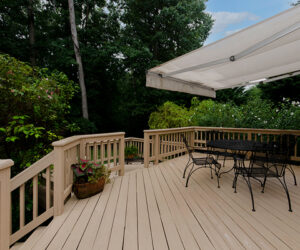

A well-built deck is more than an outdoor platform it’s an extension of your living space, a place for family gatherings, and a valuable upgrade that increases property value. Deck building has evolved with better materials, smarter designs, and higher construction standards.
This expert deck building guide walks you through everything you need to know from planning and design to materials, costs, permits, and long-term maintenance so you can build a deck that lasts for decades.
Why Deck Building Is a Smart Home Investment
Decks consistently rank among the highest ROI home improvement projects. Homeowners choose deck construction because it:
Enhances outdoor living space
Improves home resale value
Creates functional entertainment areas
Complements modern and traditional home designs
Requires less cost than full home additions
A professionally built deck can recover 65–75% of its cost at resale, depending on materials and craftsmanship.
Step 1: Planning Your Deck the Right Way
Define the Purpose of Your Deck
Before choosing materials or layouts, decide how you’ll use the deck:
Outdoor dining & BBQs
Relaxation and seating
Pool or hot tub area
Multi-level entertainment
Family-friendly space
Your deck’s purpose determines its size, structure, railing, and load capacity.
Choose the Right Deck Size & Layout
Avoid overbuilding or underbuilding. A deck should feel proportional to your home and yard. Popular layouts in 2025 include:
Wraparound decks
Multi-tier decks
Ground-level decks
Elevated decks with stairs
Decks with built-in seating
Step 2: Deck Design Trends
Modern deck building focuses on function, durability, and aesthetics.
Popular Deck Design Features
Wide staircases with integrated lighting
Built-in benches and planters
Hidden fasteners for clean finishes
Cable or glass railing systems
Pergolas and privacy screens
Color & Style Preferences
Earth tones (brown, gray, cedar)
Matte finishes
Natural wood-look composites
Minimalist railing designs
Step 3: Best Deck Materials Compared
Choosing the right deck material is critical for longevity and maintenance.
1. Pressure-Treated Wood
Pros:
Affordable
Widely available
Easy to install
Cons:
Requires regular staining
Can warp or crack
Shorter lifespan
Best for: Budget-conscious homeowners
2. Composite Decking
Pros:
Low maintenance
Resistant to rot, insects, and moisture
Long lifespan (25–30 years)
Cons:
Higher upfront cost
Less natural texture than wood
Best for: Long-term durability and minimal upkeep
Choosing the right decking material depends on your budget, maintenance expectations, and long-term goals. If you’re still unsure which option suits your home best, this detailed wood vs composite decking comparison breaks down durability, cost, and maintenance differences to help you make a confident decision.
3. Hardwood Decking (Ipe, Mahogany)
Pros:
Premium appearance
Extremely durable
Natural resistance to rot
Cons:
Expensive
Requires professional installation
Best for: Luxury outdoor spaces
Step 4: Deck Construction Process (Professional Approach)
A reliable deck contractor follows a structured process:
Site evaluation and measurements
Design finalization
Permit acquisition
Foundation and footings
Framing and structural support
Deck board installation
Railings and stairs
Final inspection and cleanup
Skipping steps or rushing construction often leads to safety hazards and costly repairs.
Step 5: Understanding Deck Building Costs
Deck costs vary based on size, materials, and complexity.
Average Deck Building Costs
Pressure-treated wood: $25–$40 per sq. ft.
Composite decking: $40–$70 per sq. ft.
Hardwood decks: $60–$90+ per sq. ft.
Cost Factors to Consider
Deck height and elevation
Railing type
Staircases and landings
Lighting and custom features
Permit and inspection fees
Investing in quality materials and skilled labor reduces long-term maintenance expenses.
Step 6: Permits, Codes & Safety Compliance
Most deck projects require permits, especially when attached to the house or elevated.
Common Code Requirements
Minimum footing depth
Ledger board attachment standards
Railing height and spacing
Stair rise and run measurements
Load-bearing requirements
Hiring a licensed deck builder ensures compliance with local building codes and safety regulations.
Step 7: DIY vs Professional Deck Building
DIY Deck Building
Pros:
Lower upfront cost
Personal satisfaction
Cons:
High risk of structural errors
Time-consuming
Permit and inspection challenges
Professional Deck Contractor
Pros:
Code-compliant construction
Faster completion
Warranty-backed work
Design expertise
Cons:
Higher initial investment
For elevated or complex decks, professional construction is strongly recommended.
Step 8: Deck Maintenance Tips for Long-Term Durability
Wood Deck Maintenance
Annual cleaning
Sealing or staining every 1–2 years
Inspect for rot or loose fasteners
Composite Deck Maintenance
Occasional washing
Remove debris between boards
Inspect railings annually
Proper maintenance can double the lifespan of your deck.
Step 9: Common Deck Building Mistakes to Avoid
Improper footing depth
Poor drainage planning
Incorrect ledger attachment
Using indoor-rated fasteners
Ignoring local codes
These mistakes often lead to structural failure and expensive repairs.
Why Hiring an Experienced Deck Builder Matters
Experience
Years of hands-on deck construction ensure proper techniques and problem-solving.
Expertise
Professional builders understand materials, structural loads, and modern design trends.
Authoritativeness
Licensed contractors follow building codes and industry standards.
Trustworthiness
Reputable deck builders offer warranties, transparent pricing, and documented inspections.
Working with licensed and experienced professionals ensures your deck meets safety standards, local building codes, and long-term performance expectations. If you’re searching for trusted professionals, explore our list of certified deck builders in Cape Cod known for quality craftsmanship and reliable service
Final Thoughts: Build a Deck That Adds Real Value
Deck building is about smart planning, durable materials, and professional execution. Whether you choose wood, composite, or hardwood, the key is building a deck that’s safe, functional, and visually appealing.
By following this expert guide or working with a trusted deck contractor you can create an outdoor space that enhances your lifestyle and adds long-term value to your home.