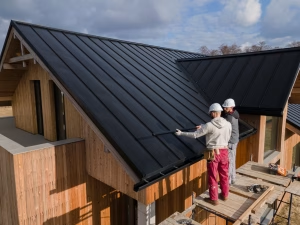

A home addition is one of the smartest ways to gain more space without moving. Whether your family is growing, your lifestyle has changed, or you simply want to increase property value, a well-planned home addition can transform how you live.
This expert home additions guide explains everything you need to know from planning and design to costs, permits, and contractor selection so your project is successful from start to finish.
Why Home Additions Are a Smart Investment
Home additions continue to be one of the most valuable home improvement projects because they:
Increase livable square footage
Boost property value
Improve functionality and comfort
Allow customization without relocation
Offer long-term lifestyle benefits
Unlike temporary renovations, a professionally built home addition becomes a permanent, value-adding part of your home.
Types of Home Additions You Can Build
Choosing the right type of addition depends on your needs, budget, and property layout.
1. Room Additions
Perfect for:
Extra bedrooms
Home offices
Guest suites
Room additions blend seamlessly into existing structures when designed correctly.
2. Second-Story Additions
Ideal when lot space is limited.
Benefits include:
Maximizing vertical space
Preserving yard area
Significant value increase
These require strong structural evaluation and professional engineering.
3. Bump-Out Additions
Small expansions that add space to:
Kitchens
Bathrooms
Living rooms
They’re more affordable than full additions but still highly functional.
4. In-Law Suites & ADUs
Growing in popularity for:
Multi-generational living
Rental income
Aging-in-place solutions
Homeowners exploring layout inspiration and expansion styles can review these top home addition ideas to better understand which designs work best for different lifestyles and home types.
Planning a Home Addition the Right Way
Step 1: Define Your Goals
Ask yourself:
What problem am I solving?
How long will I live here?
Is resale value important?
Clear goals prevent costly design changes later.
Step 2: Budget Planning
Your budget should include:
Design & engineering
Construction
Permits & inspections
Finishes & upgrades
Contingency (10–15%)
Home Addition Costs in 2025
Costs vary based on size, complexity, and finishes.
Average Cost Breakdown
Room additions: $150–$300 per sq. ft.
Second-story additions: $250–$400 per sq. ft.
Bump-outs: $20,000–$50,000+
In-law suites: $80,000–$200,000+
For a more detailed breakdown of pricing factors, timelines, and budget planning, this home additions cost guide explains what homeowners should realistically expect before starting construction.
Design Considerations That Matter
Good design ensures your addition feels original to the home not an afterthought.
Key Design Factors
Roofline consistency
Window alignment
Exterior material matching
Natural light flow
Interior traffic patterns
Working with experienced designers avoids mismatched or awkward layouts.
Permits, Zoning & Building Codes
Most home additions require permits and inspections.
Common Requirements
Zoning setbacks
Lot coverage limits
Structural engineering approval
Energy efficiency compliance
Fire and safety regulations
Home Addition Construction Process (Professional Overview)
Site evaluation
Architectural design
Engineering review
Permit approval
Foundation work
Framing & roofing
Electrical & plumbing
Insulation & drywall
Finishes & inspections
A structured process ensures safety, efficiency, and quality.
DIY vs Hiring a Home Addition Contractor
DIY (Not Recommended for Additions)
Structural risks
Permit complications
Time overruns
Costly mistakes
Professional Home Addition Contractor
Benefits:
Code-compliant construction
Licensed and insured work
Project management
Warranty protection
Common Home Addition Mistakes to Avoid
Underestimating budget
Ignoring zoning rules
Poor contractor selection
Mismatched exterior design
Skipping future planning
Avoiding these mistakes can save thousands of dollars.
Why Experience Matters in Home Additions
Experience
Years of real-world construction knowledge prevent structural and design errors.
Expertise
Professionals understand engineering, materials, and code compliance.
Authoritativeness
Licensed contractors follow industry standards and inspections.
Trustworthiness
Clear contracts, warranties, and communication protect homeowners.
If you’re planning an expansion and want proven expertise, explore these Cape Cod home addition specialists to understand what separates professional results from costly shortcuts.
Final Thoughts: Is a Home Addition Worth It?
A home addition is more than extra space it’s a long-term investment in comfort, functionality, and value. With proper planning, realistic budgeting, and professional execution, your addition can seamlessly enhance your home for decades.
Whether you’re adding a room, building upward, or creating a private suite, following this expert guide ensures your project is built right the first time.